What is the toughness of elevator guide rail components
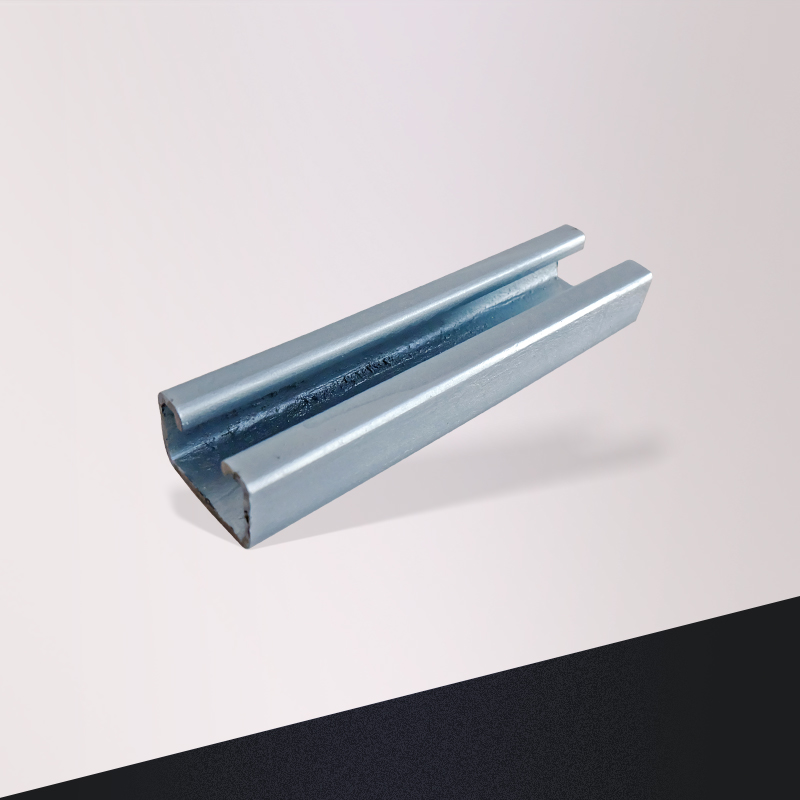
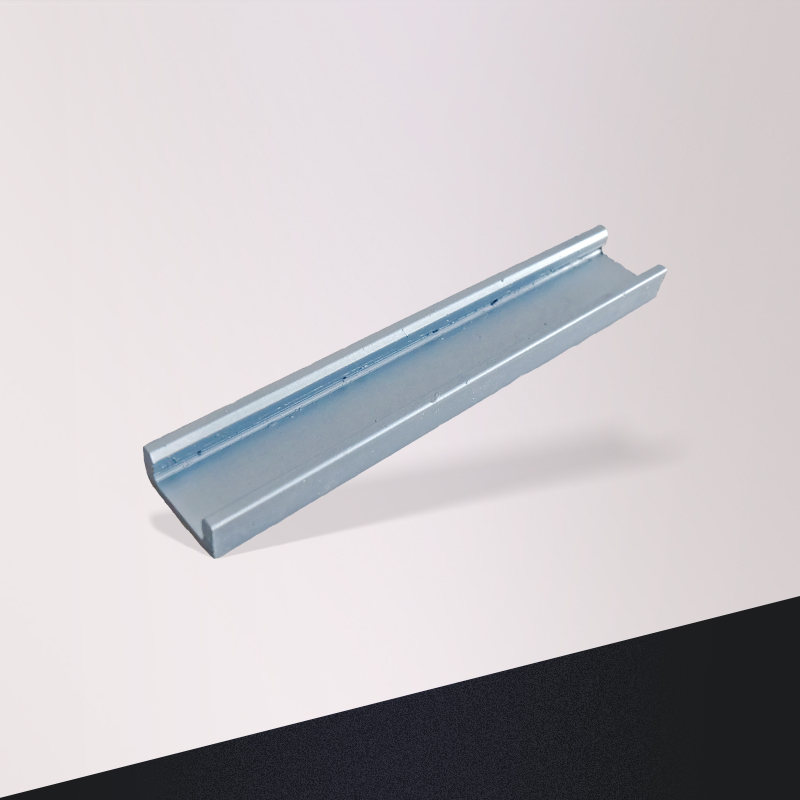
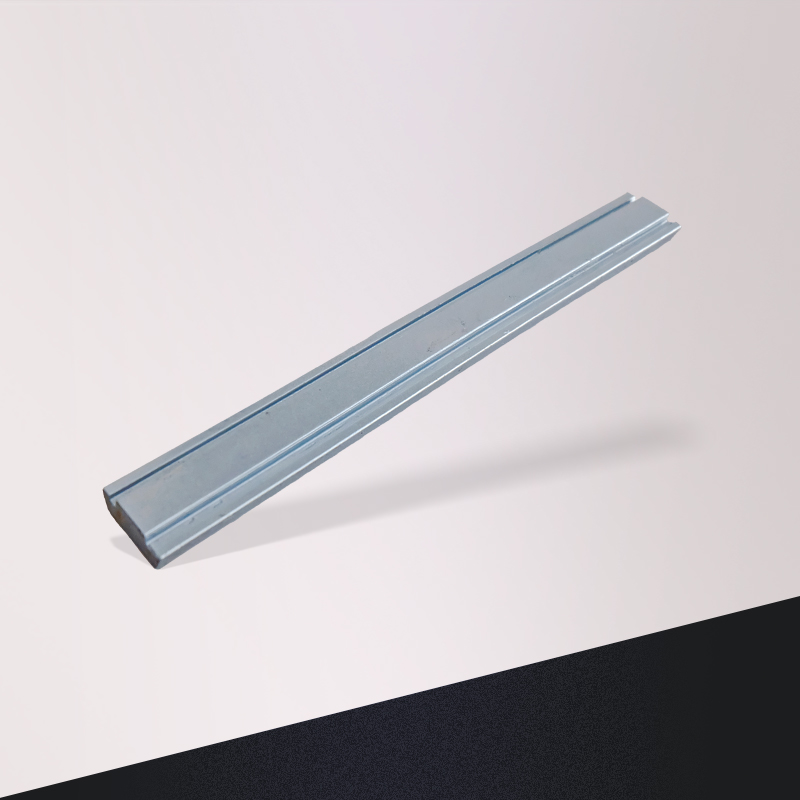
Information summary:Elevator guide rail components usually have good toughness, which is determined by their material properties and manufacturing processes, as follows:
1. Material characteristics: Elevator guide rails are generally made of high-quality carbon steel or alloy steel. These steels have undergone special smelting processes, resulting in high purity and low impurity content, thus ensuring the basic toug
Elevator guide rail components usually have good toughness, which is determined by their material properties and manufacturing processes, as follows:
1. Material characteristics: Elevator guide rails are generally made of high-quality carbon steel or alloy steel. These steels have undergone special smelting processes, resulting in high purity and low impurity content, thus ensuring the basic toughness of the materials. Meanwhile, the addition of alloying elements such as manganese and silicon to steel can further enhance its strength and toughness. For example, manganese can increase the strength and toughness of steel, improve its wear resistance and corrosion resistance; Silicon element can enhance the strength and hardness of steel, while having a relatively small impact on the reduction of toughness.
2. Manufacturing process: Elevator guide rails undergo a series of processing techniques during the manufacturing process, such as rolling, forging, heat treatment, etc. Rolling and forging processes can make the internal structure of steel more dense and uniform, eliminate internal defects, and improve the toughness of the material. Heat treatment processes (such as quenching, tempering, etc.) can further adjust the microstructure of steel to obtain good comprehensive mechanical properties, while improving strength and ensuring sufficient toughness of the material. For example, through appropriate tempering processes, quenching stress can be eliminated, and the toughness and plasticity of steel can be improved.
3. Industry standard requirements: As a special equipment for carrying people, safety is crucial for elevators. The relevant industry standards and specifications have strict requirements for the toughness of elevator guide rail components. For example, in impact testing, the guide rail components need to meet certain impact absorption energy indicators to ensure that even if they are subjected to unexpected impact loads during elevator operation, the guide rail will not undergo brittle fracture, thereby ensuring the safe operation of the elevator.
4. Practical application performance: During the actual operation of the elevator, the guide rail components need to withstand various loads such as the weight of the elevator car and counterweight, vibration and impact during operation. Good toughness enables the guide rail to withstand these complex loads without fatigue failure or brittle fracture during long-term use, ensuring the smooth operation of the elevator and the safety of passengers.
In summary, the toughness of elevator guide rail components is good and can meet the requirements for safe operation of elevators. However, the toughness of guide rail components is also affected by factors such as material quality, manufacturing process, and usage environment. Therefore, during production, installation, and use, it is necessary to strictly follow relevant standards and specifications to ensure the toughness and safety of guide rail components.



 Phone Number:Panlixin 13706201799 Panliyong 13306238299
 Service Hotline:0512-52468216
 Company Address:Zhangjiaqiao, Xinzhuang Town, Changshu City
 Technical Support:Lange chain enterprise


 Ch
Ch En
En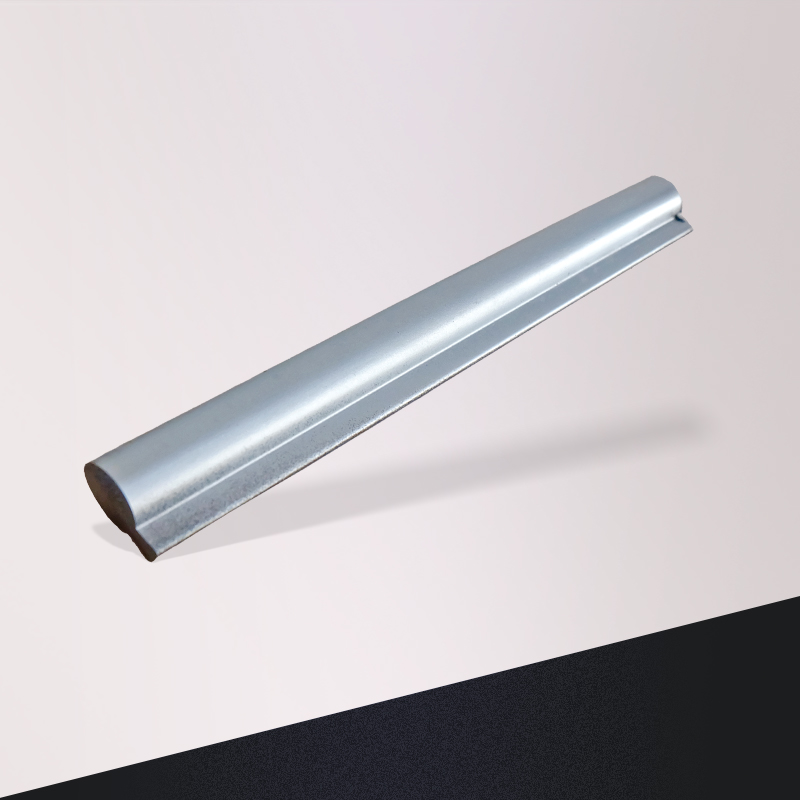
 Add wechat
 Contact us
 Telephone